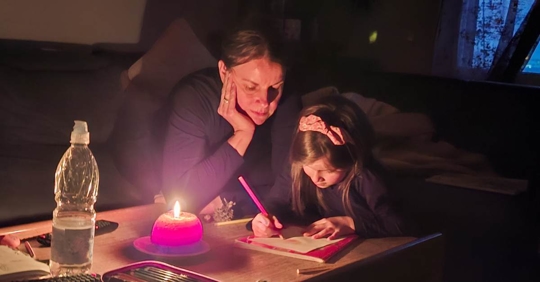
When the power goes out during a storm in Whatcom or Skagit County, your home generator becomes your lifeline. Whether you're keeping the heat running during a winter freeze or maintaining refrigeration during an extended outage, a well-maintained generator ensures your family stays safe and comfortable when you need backup power most.
Don't wait until the lights go out to discover your generator isn't working properly. Schedule a professional inspection by calling (360) 614-4543 or filling out our online contact form today.
Why Regular Generator Maintenance Matters
Your generator sits idle most of the year, waiting for that critical moment when the power fails. Without proper maintenance, corrosion, fuel degradation, and component wear can leave you in the dark when you need power most. Regular upkeep helps catch small issues before they become major problems during an emergency.
Pacific Northwest weather patterns bring heavy rain, strong winds, and occasional ice storms that can knock out power for hours or even days. A generator that starts reliably and runs smoothly doesn't happen by accident—it's the result of consistent care and attention throughout the year.
Monthly Generator Maintenance Tasks
Visual Inspections Keep Problems at Bay
Walk around your generator once a month and look for signs of trouble. Check for loose wires, corrosion on battery terminals, or any physical damage to the unit. Look underneath and around the generator for evidence of leaks, which could indicate fuel line problems or oil issues.
Make sure nothing is blocking the air vents or exhaust. Leaves, debris, spider webs, and nests can restrict airflow and cause your generator to overheat. Clear away any vegetation growing too close to the unit, maintaining at least three feet of clearance on all sides.
Test Run Your Generator
Starting your generator monthly prevents fuel from going stale and keeps internal components lubricated. Let it run for at least 15 to 20 minutes under a partial load—this means with some of your home's electrical systems actually drawing power from it.
During the test run, listen for unusual sounds like knocking, rattling, or grinding. Watch for excessive smoke or strange odors. These warning signs often indicate developing problems that need professional attention before they leave you without power during an actual outage.
Seasonal Generator Maintenance Steps
Spring Preparation
After winter, inspect your generator thoroughly for any damage from harsh weather. Replace the air filter if it looks dirty or clogged, as clean air filters help your generator run efficiently. Check the battery charge and clean any corrosion from the terminals using a wire brush and baking soda solution.
Test your automatic transfer switch to ensure it activates properly when power is interrupted. This component tells your generator when to start and manages the electrical load, so it needs to function correctly.
Fall Winterization
Before storm season arrives, schedule a comprehensive inspection with a qualified technician. Fall is the perfect time to address any repairs or adjustments your generator needs. Change the oil and replace the oil filter according to your manufacturer's recommendations—dirty oil can damage engine components.
Check the fuel system carefully. If you're using a propane generator, inspect connections for leaks using soapy water, which will bubble if gas is escaping. For diesel or gasoline generators, add a fuel stabilizer to prevent degradation during storage periods.
Fuel System Care for Reliable Performance
The fuel system is one of the most critical parts of your generator, yet it's often overlooked. Gasoline begins breaking down after just 30 days, forming varnish and gum that can clog your carburetor and fuel lines. Using fresh fuel and adding a stabilizer during storage helps prevent these problems.
For natural gas generators, less fuel maintenance is required, but you should still verify that your gas line connections are secure and leak-free. Propane generators need regular tank inspections to ensure adequate fuel levels—you don't want to discover an empty tank when the power goes out.
Diesel fuel can develop algae and bacteria growth, especially in our damp climate. Have your diesel fuel tested annually and treated with biocides if necessary to prevent fuel system contamination.
Battery Maintenance Prevents Starting Failures
Your generator's battery needs to stay charged and healthy to start the engine when called upon. Most generators have automatic battery chargers, but these can fail without you realizing it. Test your battery voltage monthly—it should read between 12.4 and 12.7 volts when fully charged.
Clean battery terminals regularly to prevent corrosion from blocking electrical connections. Tighten any loose terminal connections, as vibration during operation can cause them to work loose over time. Replace batteries every three to four years, even if they seem to be working fine, as their reliability decreases with age.
Professional Generator Maintenance: What Experts Check
While monthly inspections and basic maintenance tasks are important, professional servicing catches problems you might miss. Trained technicians have specialized tools and knowledge to test components thoroughly and identify worn parts before they fail.
During a professional inspection, expect these essential checks:
- Load bank testing to verify your generator can handle its rated capacity
- Compression testing to assess engine health
- Electrical system analysis, including voltage regulation and frequency stability
- Coolant system inspection for leaks and proper antifreeze levels
- Exhaust system examination for leaks or blockages
- Transfer switch testing for proper operation and timing
Annual professional maintenance is especially important for standby generators that automatically start during outages. These systems have more complex controls and safety features that require expert evaluation.
Common Generator Problems and Warning Signs
Recognizing early warning signs helps you address issues before they become emergencies. If your generator struggles to start, runs rough, or shuts down unexpectedly during testing, don't ignore these symptoms. They indicate problems that will likely worsen when you need your generator most.
Excessive vibration during operation can mean engine mounts are worn or the unit isn't properly secured to its pad. Unusual exhaust smoke—whether black, blue, or white—points to fuel mixture problems, oil burning, or coolant leaks. Any of these issues warrant professional diagnosis.
Tripped circuit breakers, flickering lights when running on generator power, or an inability to carry the expected electrical load all suggest problems with your electrical system or generator output. These aren't issues to tackle yourself—they require professional expertise.
Creating Your Generator Maintenance Schedule
Consistency matters more than perfection when maintaining your generator. Create a simple schedule you'll actually follow rather than an elaborate plan you'll abandon. Mark your calendar for monthly test runs on the same day each month, making it part of your routine.
Set seasonal reminders for more involved maintenance tasks like oil changes and filter replacements. Keep a maintenance log noting what you did and when you did it, along with any observations about how your generator performed. This record helps you spot patterns and provides valuable information for technicians during service calls.
Store your generator's owner's manual somewhere accessible and refer to it for model-specific maintenance requirements. Manufacturers design maintenance schedules based on how their particular models perform best, so following their guidance helps maximize your generator's lifespan.
Safety Considerations for Generator Owners
Never operate your generator indoors or in enclosed spaces, as carbon monoxide buildup can be fatal. Always position your generator outside with the exhaust pointing away from your home, and install carbon monoxide detectors throughout your house as an extra precaution.
Keep your generator dry—never operate it in rain or snow without proper cover that still allows adequate ventilation. Store fuel safely in approved containers away from living spaces and ignition sources. Never add fuel while your generator is running or still hot from operation.
Before performing any maintenance beyond basic visual inspections and cleaning, disconnect the spark plug to prevent accidental starting. When in doubt about any maintenance or repair task, contact professionals who have the training and equipment to work safely on generators.
Keep Your Generator Ready When You Need It Most
Your home generator represents a significant investment in your family's comfort and safety during power outages. Regular maintenance protects that investment while ensuring reliable performance when storms knock out the grid. By following a consistent maintenance schedule and partnering with experienced professionals for annual servicing, you'll have confidence that your backup power will be there when you need it.
Andgar Home Comfort understands how important reliable backup power is for Whatcom and Skagit County homeowners. Our technicians have the expertise to keep your generator in peak condition year-round.
Don't wait until an outage reveals a problem—call (360) 614-4543 or complete our online contact form to schedule your generator maintenance today.